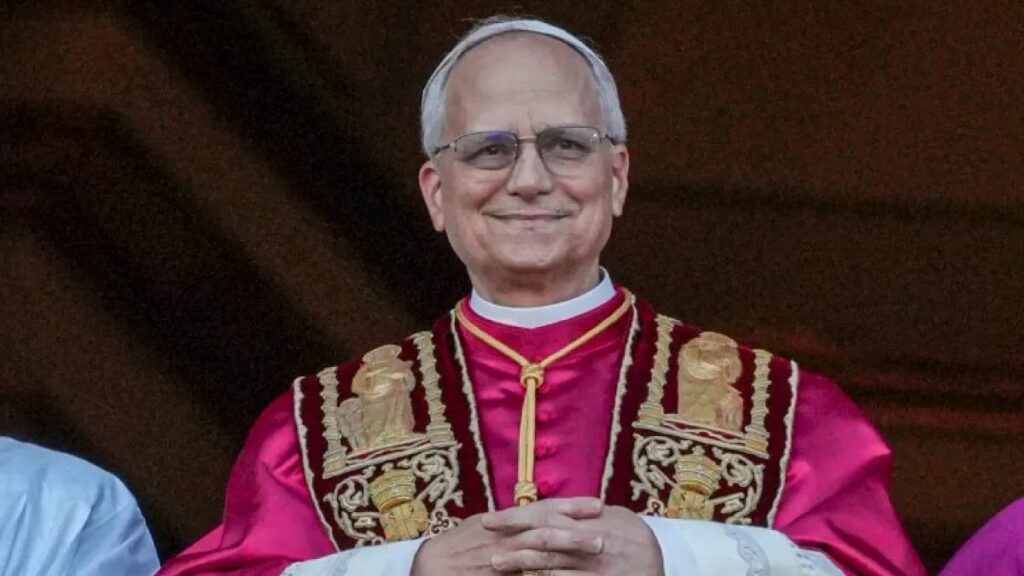
Last week, Pope Leo XIV called for AI to be “disarmed.” But The Vatican’s stance on AI is much more comprehensive than the headlines suggest. The document, Magnifica Humanitas: On Safeguarding the Human Person in the Time of Artificial Intelligence is over 40,000 words, making it about as long as a short novel. Within all those pages, there is certainly some room for interpretation.
And that’s what’s raised an important question. Can employee’s use the Magnifica ?Humanitas to get excused from using AI at work under Title VII? Specifically, can you get a religious exemption from using AI at work?
The answer is yes, it is possible. You can get an exemption from using AI at work with a three-step interactive process. But while the process is not complicated, that does not necessarily mean it is easy.
In this article, I will explain how to a religious exemption from using AI works, and the risks and protections you should consider if you choose to seek such an exemption.
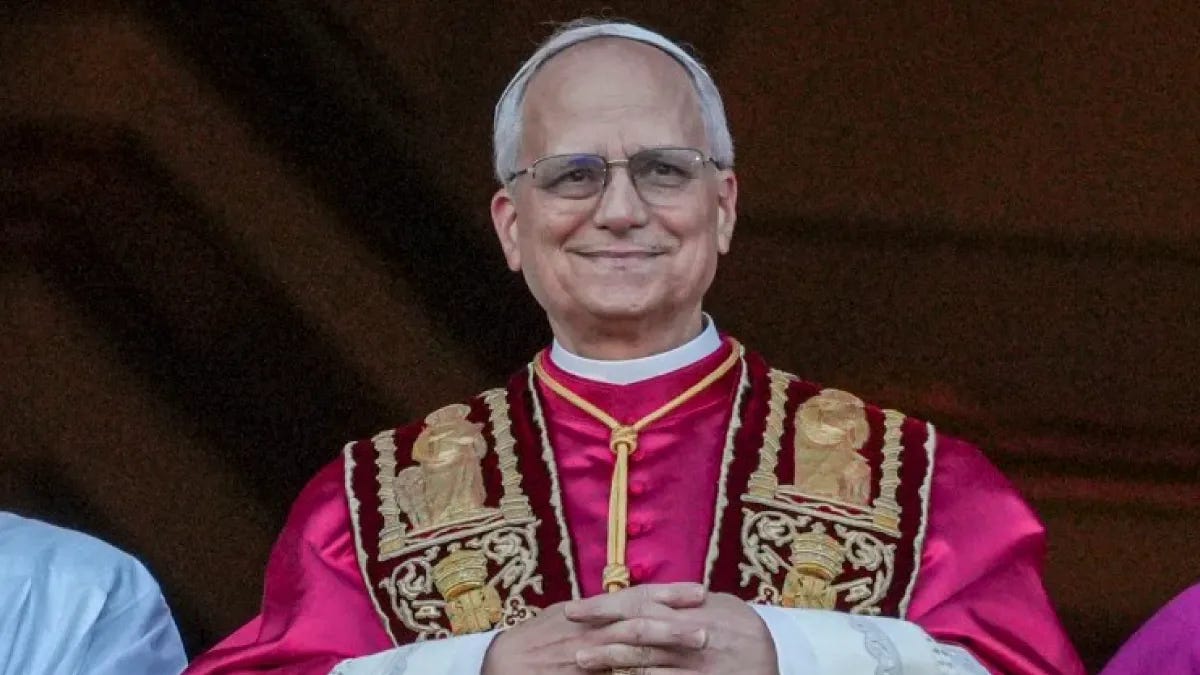
Can You Get a Religious Exemption from Using AI at Work?
The short answer is yes, you can get a religious accommodation that excuses you from using AI at work. But as they say, the Devil is in the details. To get started, we have some precedent to demonstrate how some employees can request and receive religious exemptions from AI use.
But heed my warning: While the process of getting a religious exemption is simple, proving you legally are entitled to the exemption is the hard part.
How to Get a Religious Accommodation at Work
If you have a sincere religious belief that affects your work, then you can seek a reasonable accommodation. For example, a Muslim may need a reasonable accommodation in the form of short prayer breaks; a Christian might need Sunday morning’s off for church attendance.
On its face, getting excused from AI at work is no different. The process of requesting and receiving a religious exemption from AI is not complicated. It follows a three-step formula: (1) If your religious belief prohibits the use of AI, and (2) your religious belief is sincere, and (3) your exemption does not cause an undue hardship on the business, then you would generally be entitled to being excused from using AI.
Proving the sincerity of your belief will likely be the toughest part. We have some precedent from the Covid-era. Back then, people requested religious exemptions from mandatory vaccine policies. I even represented a few sincere religious dissenters in my workers’ rights practice. Here is how those cases shake out in real court cases.
First, it usually doesn’t matter how “reasonable” your beliefs are. Your boss may disagree, your coworkers might roll their eyes, but if you have a sincere belief, then Title VII of the Civil Rights Act protects you.
Does It Matter If You are Not Catholic?
The practical details of your religious doctrine generally are not at issue. For example, if you are a Protestant but, for sincere religious reasons, you want to follow a decree came from a Catholic religious leader, that won’t disqualify you from being legally eligible for an AI exemption. The real question is whether the belief is sincere.
Regardless of what’s in the Bible or how different parishes interpret the Pope’s words, if you truly believe it, then Title VII will protect you. This can be proved with a letter from a legitimate religious leader or organization. For this to actually work, you should be a regular practitioner of the faith with a documented history of affiliation and attendance with whatever group issues the letter. That sounds obvious, but you’d be surprised how often this comes up.
In the Covid-era, some employees rushed to get letters from religious leaders explaining that the vaccine was prohibited by their religious practice. That’s fine, but if the first time you ever set foot in a church was to get that letter, you’re probably not going to pass a sincerity test.
Sincerity and Consistency of the Belief is Key
Another way these cases fail is when there are inconsistencies in your stated beliefs. Again, we have precedent here. If you used vaccines in the past, then it was harder to prove a religious exemption request to the Covid-19 vaccine was sincere. Likewise, if you have used AI in the past without complaint, then sincerity of the belief will be hard to prove.
This goes beyond a simple question of whether or not you have ever used Chat GPT to help write an email. Think of how pervasive AI has become. Do you play video games against AI opponents? Do you have Siri downloaded on your phone? Do you use Google even though it provides AI summaries in search now? The pervasiveness of AI technology means that proving consistency of your belief may be harder to accomplish.
Simply abstaining from using products like Copilot or Claude won’t be enough to establish sincerity of belief. If you have to prove it in court, you’ll need to establish a broader pattern of abstaining from using AI in your daily life.
And to prepare you for the microscopic examination that may occur in employment dispute, another question to consider is how far your religious abstention from AI use goes. Do you simply refuse to use AI technology yourself, or are you also prohibited from using products developed with AI? Are you prohibited from watching videos that have AI-generated content? What about algorithms powered by AI, can you use those?
When you see how broad this inquiry can get, it becomes clear that proving sincerity of the belief is the highest bar to meet.
Some employers may not take it this far. But with more and more companies rushing to integrate AI into their business, your request for a religious exemption might be met with some tough questions.
And to reiterate, no, you don’t have to be Catholic to qualify for a religious exemption. You can be a Lutheran, or a Baptist, or even a Buddhist. Again, the law is less focused on the dogmatic details of your religious beliefs than whether or not belief is sincere.
Can You Be Fired if Your Religious Belief Prohibits Using AI?
A religious exemption can be denied, and you can generally be lawfully fired, if you fail the sincerity test. But there’s another risk workers’ need to know about. If the request causes an undue hardship, meaning it would be impossible or unreasonably expensive to do your job without AI, then the company doesn’t have to grant the request.
But let’s take that one step further. Getting a religious exemption, by itself, doesn’t mean you won’t be fired. It means you can get a reasonable accommodation to continue working without the use of AI. You can still be fired for performance issues, downsizing, or—ironically—if your job is replaced by AI. But if you are fired because of or in retaliation for the request, then you may have a wrongful termination claim.
Can You Cite the Pope’s Statements as an Excuse from Working with AI?
At over 40,000 words, the Maginifica Humanitas has plenty of content for Catholics discuss (and disagree about). By that I mean one Catholic may see the Pope’s words as a call to refrain from AI use at work, while another may not, and both can be reasonable in their belief.
But employment law does not focus on the reasonableness of the belief. So, such inconsistencies within the Church are not a significant risk factor.
The primary risk will be whether your belief is sincere and whether you can establish consistency in your religious practice. If you’ve never gone to church, but use the Pope’s statement to support a religious exemption, you probably won’t be successful. If you use AI yourself, or even if you passively allow AI use in your daily life, you will struggle to prove your faith is consistent, and therefore, that it is sincere.
The final risk is that you can still be fired for other legal reasons. Again, I recognize the cruel irony here, but that includes being replaced by AI yourself. The law doesn’t mean you are immune to termination. It means you cannot be fired because of or in retaliation for making the request for a religious exemption.
Zooming out for a moment, the biggest issue is that most working class people don’t know their rights or how to protect themselves. That’s why I wrote the ultimate guide to your rights at work! Tap below to order yours. (PS this makes an EXCELLENT gift for new grads!)
Denied a religious or disability accommodation at work? Our team handles workplace discrimination and civil rights matters, including failure to accommodate and medical leave claims under California law.
